Your Blood Pressure Is 140/90. Should You Be Worried?
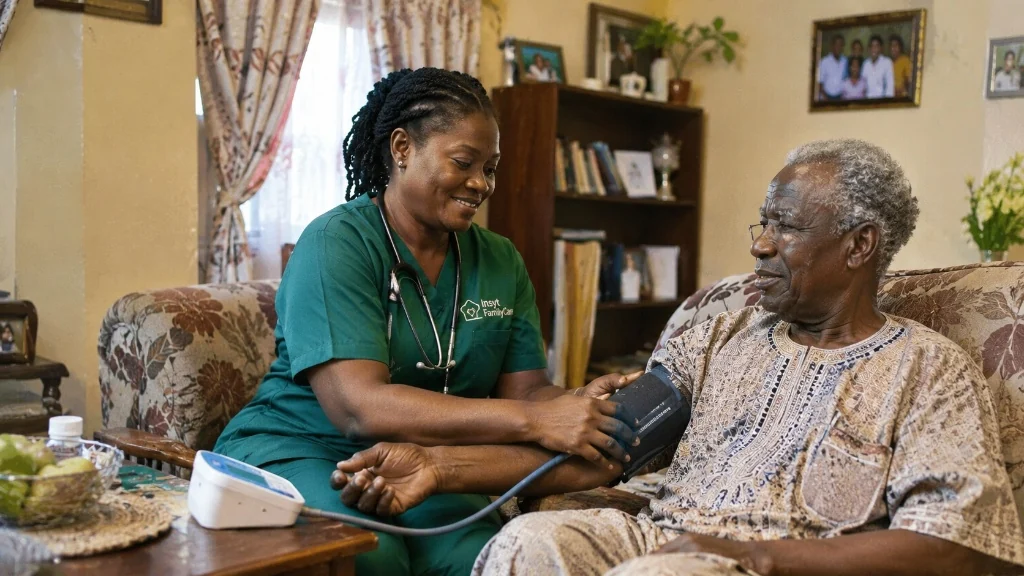
Because “it's just stress” is not a medical diagnosis, my dear.
You went to the pharmacy to buy something for a headache. The pharmacist offered to check your blood pressure.
You agreed. No big deal.
The machine finished reading.
145/95.
The pharmacist looked at you. You looked at the pharmacist.
“Your BP is high.”
Immediately, you started explaining.
“Ah, it's stress. You know how Lagos is.”
“I haven't slept well.”
“It's because of the traffic.”
And honestly? Fair enough. Between work, bills, family responsibilities, and NEPA doing whatever it likes, who isn't stressed?
But here's where we're going to drag you small.
You cannot blame everything on stress and refuse to investigate further. 😭
Yes, stress can temporarily raise your blood pressure. But a high reading can also be a sign of hypertension, a condition that can quietly damage your body if it goes untreated.
And the tricky part?
You might feel completely fine.
Let's talk about what those numbers actually mean, when you should be concerned, and what to do next.
First, what is blood pressure?
Imagine your heart is a pump and your blood vessels are pipes carrying blood around your body.
Every time your heart beats, it pushes blood through those vessels.
Blood pressure measures how much force that blood puts against the walls of your blood vessels.
Simple enough, right?
Now, when someone tells you your blood pressure is 120/80, those two numbers mean different things.
The first number (120) is your systolic pressure.
This is the pressure in your blood vessels when your heart beats.
The second number (80) is your diastolic pressure.
This is the pressure when your heart relaxes between beats.
Both numbers matter.
So when your pharmacist says your blood pressure is 145/95, please don't just look at the first number and assume the second one is decoration.
They came together for a reason.
So, what is a normal blood pressure reading?
For most adults, a reading below 120/80 mmHg is considered normal under American Heart Association guidelines.
But blood-pressure guidelines are not identical everywhere.
The World Health Organization generally defines hypertension as blood pressure of 140/90 mmHg or higher, confirmed through measurements on different days.
Here's a simple way to understand some common readings:
| BP reading | What it means |
|---|---|
| 118/76 | Within the normal range |
| 125/82 | Above ideal; worth monitoring |
| 135/85 | Elevated under some guidelines; discuss repeated readings with a clinician |
| 140/90 | High; needs medical follow-up |
| 160/100 | Significantly high; seek prompt medical assessment |
| 180/120 or higher | Potentially dangerous; urgent assessment is needed |
And remember, either number can be high. A reading of 145/78 or 125/95 still deserves attention.
One high reading does not automatically mean you have hypertension. Your healthcare professional may need repeated measurements to confirm it.
But please, don't let that become an excuse to ignore the reading completely.
We know ourselves.
Today it's “I'll check it tomorrow.”
Tomorrow it's “I have meetings.”
Three months later, the BP machine is still waiting for you.
“But I feel fine!” That's exactly the problem.
One of the biggest misconceptions about hypertension is that you'll always know when you have it.
You might expect a terrible headache, dizziness, or your heart pounding like you're running a marathon.
Sometimes those symptoms happen, especially with dangerously high blood pressure.
But many people with hypertension have no obvious symptoms at all.
You can be going to work, attending owambe, posting pictures, eating Sunday rice, and living your life while your blood pressure remains too high.
Feeling fine is good.
It is not the same as knowing your blood pressure is fine.
According to the World Health Organization's 2025 hypertension profile, an estimated 32% of Nigerian adults aged 30–79 had hypertension in 2024.
That's nearly one in three people in that age group.
So when we say you should check your BP regularly, we're not trying to spoil your enjoyment.
We're trying to make sure you can enjoy yourself for many more years.
Is it really stress, though?
Let's be fair. Stress can affect your blood pressure.
That stressful meeting? The unexpected bill? The driver who decides to stop in the middle of the road?
Your body can respond by temporarily increasing your heart rate and blood pressure.
But here's what you need to understand.
Stress can raise your blood pressure temporarily. It does not prove that stress is the only reason your reading is high.
Other factors can increase your risk of hypertension, including family history, age, excess salt intake, physical inactivity, smoking, some health conditions, and excess body weight.
Some factors you can change. Others you cannot.
So if your readings keep coming back high, the next step is not simply to announce that Nigeria is stressful.
We are all aware. 😭
The next step is to speak with a healthcare professional.
How to check your blood pressure properly at home
Before we start worrying about your numbers, can we make sure you're measuring them correctly?
Because some of you will climb three flights of stairs, rush into the house, sit down for eleven seconds, and immediately wrap the BP machine around your arm.
Then the reading comes out high.
Now the entire family is panicking.
Please. Give the machine a fair chance.
Here's how to get a more accurate reading:
- Sit quietly for at least five minutes. No rushing, arguing, or taking calls.
- Keep your back supported and both feet flat on the floor. Don't cross your legs.
- Support your arm at heart level. The cuff should be on your bare upper arm, not over your clothes.
- Avoid caffeine, smoking, and exercise for at least 30 minutes beforehand. Empty your bladder too.
- Don't talk while the machine is measuring. Yes, even if someone asks you a question. The gist can wait.
- Take two readings, about one minute apart, and write them down.
Use a validated upper-arm monitor with a cuff that fits properly.
If a healthcare professional asks you to monitor your blood pressure at home, they may recommend recording readings in the morning and evening over several days.
And one more thing: please don't measure your blood pressure fifteen times in a row because you don't like the first result.
Your goal is to understand your health, not negotiate with the machine until it gives you numbers you prefer.
What should you do if your BP is high?
Let's say you've checked your blood pressure properly, and it's 145/95.
What next?
First, don't panic.
Sit quietly, repeat the measurement correctly, and record both readings.
If your blood pressure remains around 140/90 or higher, arrange a medical assessment. A clinician can determine whether you have hypertension, whether further tests are needed, and what treatment is appropriate.
A reading around 160/100 deserves prompt medical assessment, even if you feel well.
If your blood pressure reaches 180 systolic or 120 diastolic, or higher, repeat the reading after at least one minute. If it remains that high, seek urgent medical advice.
If you have chest pain, difficulty breathing, severe sudden headache, weakness on one side, confusion, difficulty speaking, or sudden vision changes, seek emergency care immediately, regardless of the BP reading.
In Nigeria, you can try the national emergency number 112 or go directly to the nearest emergency department. Do not delay emergency care while waiting for another reading.
For anyone who is pregnant or has recently given birth, high blood pressure requires special attention. A reading of 140/90 or higher warrants prompt contact with a maternity healthcare professional, while 160/110 or higher is a medical emergency.
This is the part where we stop joking.
Can you bring your blood pressure down naturally?
Sometimes, lifestyle changes can make a meaningful difference.
But whether they are enough depends on your readings and your overall health.
Let's start with the everyday things.
1. Reduce the salt, please.
Before somebody says, “But I don't add salt to my food!”
My dear, what about the salt already hiding in the seasoning, processed foods, snacks, and takeaway meals?
You don't need to abandon Nigerian food.
You can still enjoy your rice, swallow, soups, and stews. The goal is to be more mindful of salt and make room for vegetables, fruits, beans, and other nutritious foods.
2. Move your body.
No, we're not asking everybody to become a gym influencer.
Walking counts. Dancing counts. Appropriate regular exercise counts.
For most adults, a useful goal is at least 150 minutes of moderate physical activity weekly, with adjustments for your health and fitness.
You can start small and build gradually.
If your blood pressure is severely uncontrolled or you have symptoms, ask your healthcare professional about safe activity before beginning strenuous exercise.
3. Give sleep some respect.
If you sleep four hours every night and survive the next day on coffee and determination, we need to have a conversation.
Getting enough sleep supports your overall cardiovascular health.
Rest is not laziness.
And while we're here, spending two hours scrolling through social media after announcing you're going to bed does not count as sleeping.
We see you.
4. If you've been prescribed medication, take it properly.
This one is important.
Some people stop taking their blood-pressure medication because they feel better or because the numbers have improved.
But your medication may be part of the reason your BP has improved.
Do not stop, reduce, share, or change your medication without speaking with your prescriber.
Lifestyle changes and prescribed medication often work together.
You do not have to choose one and abandon the other.
What about our parents who don't like going to the hospital?
Ah. Our beloved Nigerian parents.
You ask Daddy when he last checked his BP.
“I'm strong.”
You ask Mummy whether she's been taking her medication.
“God is in control.”
And yes, we appreciate the faith and the confidence.
But let's also check the blood pressure. 🤍
Older adults may face additional health risks, and some need help keeping up with medication, appointments, or regular monitoring.
If you're caring for an ageing parent, especially from another city or outside Nigeria, it's worth having a conversation about how they manage their health.
Ask when they last checked their BP. Find out whether they understand their medications. Encourage regular appointments, and help them arrange monitoring support if needed.
Not every parent needs a full-time caregiver.
Sometimes, consistent check-ins and proper follow-up can make a difference.
A few questions you might still have
Can I have high blood pressure at 25 or 30?
Is 140/90 dangerous?
Can drinking water immediately reduce high blood pressure?
Can I stop my BP medication once my numbers are normal?
How often should I check my blood pressure?
More questions answered on our full FAQ page.
Your health deserves more than “I'll check it later.”
Look, nobody enjoys being reminded to check their BP.
We understand.
Life is busy. Hospital visits can be stressful. There's always another expense or something that feels more urgent.
But high blood pressure is one of those things you don't want to discover only after it has caused serious problems.
So here's your small assignment for this week.
Find out your blood pressure.
If you already know it, great. Keep up with your recommended monitoring.
If your readings have been high, please follow up with a qualified healthcare professional.
And if your parents have been telling you they're fine since 2007, maybe it's time to ask them for an actual reading. With love, of course. 😭
At Insyt FamilyCare, we believe healthcare should feel less confusing and more accessible.
We support individuals and families in Nigeria with nurse-led assessments, routine vital-sign monitoring, and personalised home-care services, depending on their needs.
Whether you're trying to stay on top of your own health or arranging extra support for someone you love, we're happy to help you understand the care options available.
Need help arranging a wellness check or home-care assessment?
Reach out to Insyt FamilyCare through the WhatsApp link on our website.
Take care of yourself. Your people need you around — and we'd very much like you to be around too. 🤍
This article is for general health education and does not replace medical advice, diagnosis, or treatment.
Where this guidance comes from
General advice on this page draws on the published guidance below. It is information, not a diagnosis, and it does not replace instructions from the doctor, nurse or hospital treating your family member — theirs always come first.
Other guides
 Care in Nigeria
How Much Does Home Care Cost in Nigeria? What Families Should Know
Wondering what a caregiver or home nurse costs in Nigeria? Learn what affects home care fees, what to ask, and why a home assessment matters.
Learn more Caring for Parents
Is Mum Really Fine? 10 Signs Your Ageing Parent May Need Extra Help
Mum says she is fine, but something feels different? Here are 10 signs your ageing parent in Nigeria may need a health check or extra help at home.
Learn more Recovery at Home
The Hospital Says Dad Can Go Home Tomorrow. Are You Ready?
Bringing someone home after surgery or illness? Use this practical Nigerian family checklist for medication, follow-ups, safety and care at home.
Learn more